
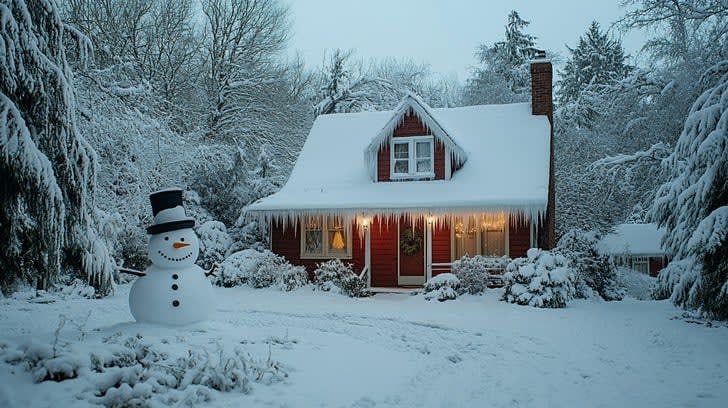

As temperatures start to dip, most renters are thinking about cozy blankets, holiday plans, and warm drinks. But for property managers? This is the time of year when we roll up our sleeves and make sure every home, townhome, condo, and multifamily unit is protected from winter’s surprises.
Preparing for colder weather is one of the most important responsibilities of any professional property management team. It keeps residents safe, prevents costly damage, and ensures your investment stays in top-notch condition—all winter long. Here’s a closer look at what property managers do when the cold season approaches.
1. Conducting Seasonal Inspections
Before winter hits, property managers perform full property assessments to identify anything that could become a problem once temperatures drop. This often includes:
-
Checking windows and doors for drafts
-
Inspecting roofs, gutters, and downspouts for damage or buildup
-
Assessing siding, exterior trim, and foundations for cracks
-
Testing smoke and carbon monoxide detectors
Identifying issues early helps prevent bigger, more expensive problems later.
2. Winterizing Plumbing Systems
Burst pipes are one of the most common—and costly—winter emergencies. That’s why we focus heavily on plumbing preparation such as:
-
Insulating exposed pipes
-
Ensuring crawl spaces and exterior spigots are protected
-
Verifying heat sources in vacant units
-
Draining and winterizing irrigation systems
A little prevention goes a long way toward avoiding major water damage and repair bills.
3. HVAC Maintenance and Heating Readiness
When temperatures fall, heating systems become the lifeline of comfort. Property managers arrange:
-
Professional HVAC tune-ups
-
Filter checks and replacements
-
Inspections of thermostats and pilot lights
-
Emergency heating repair protocols
Proper HVAC servicing ensures residents stay warm while keeping energy costs more manageable.
4. Exterior Cleanup & Safety Preparation
Winter weather can bring hazards, so exterior prep is essential. This may include:
-
Clearing gutters to prevent ice dams
-
Securing loose handrails and steps
-
Removing overhanging branches that could break under snow or ice
-
Stocking salt, sand, and snow equipment for quick response
Safe walkways and well-maintained landscaping reduce both injury risk and liability.
5. Communication With Tenants
Good property management means keeping residents informed. Before winter sets in, tenants are reminded about:
-
Thermostat minimum temperatures
-
How to report maintenance issues quickly
-
Schedules for HVAC filter changes
-
Best practices to prevent frozen pipes
Clear communication helps tenants feel supported and avoids misunderstandings during the cold months.
6. Emergency Preparedness Planning
From unexpected freezes to power outages, winter brings the possibility of sudden issues. Property managers create or update:
-
Emergency contact lists
-
Vendor schedules for snow removal and heating repairs
-
24/7 maintenance response plans
-
Make-ready strategies for vacant units
Being prepared minimizes downtime and protects property owners’ investments.
Final Thoughts
Colder weather may bring beautiful scenery, but it also demands diligence and planning—especially for rental properties. A proactive property management team works year-round to protect your investment, minimize risk, and ensure residents enjoy a safe, warm home even when temperatures take a dive.
If you’re a property owner looking for peace of mind this winter, partnering with a professional property management service can save you time, stress, and costly repairs.